Consult Dr. P. Senthilnathan for comprehensive evaluation, staging review, laparoscopic and robotic surgical options for gastrointestinal cancers. Every case is reviewed with clinical precision to plan the most suitable treatment path.
Get a call back from our medical experts
25+ Years
Surgical Experience
GI & HPB Expertise
Complex Cancer Surgery
Advanced Techniques
Laparoscopic & Robotic Surgery
Patient-Focused
Clear Treatment Discussions
The gastrointestinal tract involves distinct organs, each requiring different surgical approaches and oncological strategies.
Treatment planning differs substantially based on which region is affected, tumour staging and individual patient fitness.
Before defining a surgical roadmap, every case is evaluated through three fundamental clinical decision pillars.
Clear staging—using CT, MRI, PET-CT or endoscopy—defines tumour extent, lymph-node involvement and whether the disease is localized or advanced.
Determining resectability assesses whether complete surgical removal is achievable immediately or if chemotherapy/radiotherapy is indicated first to downstage the tumour.
GI oncology requires coordinated decision-making involving surgical oncologists, medical oncologists, radiation oncologists and gastroenterologists.
A systematic evaluation pipeline ensuring precision staging, resectability clearance, and personalised care.
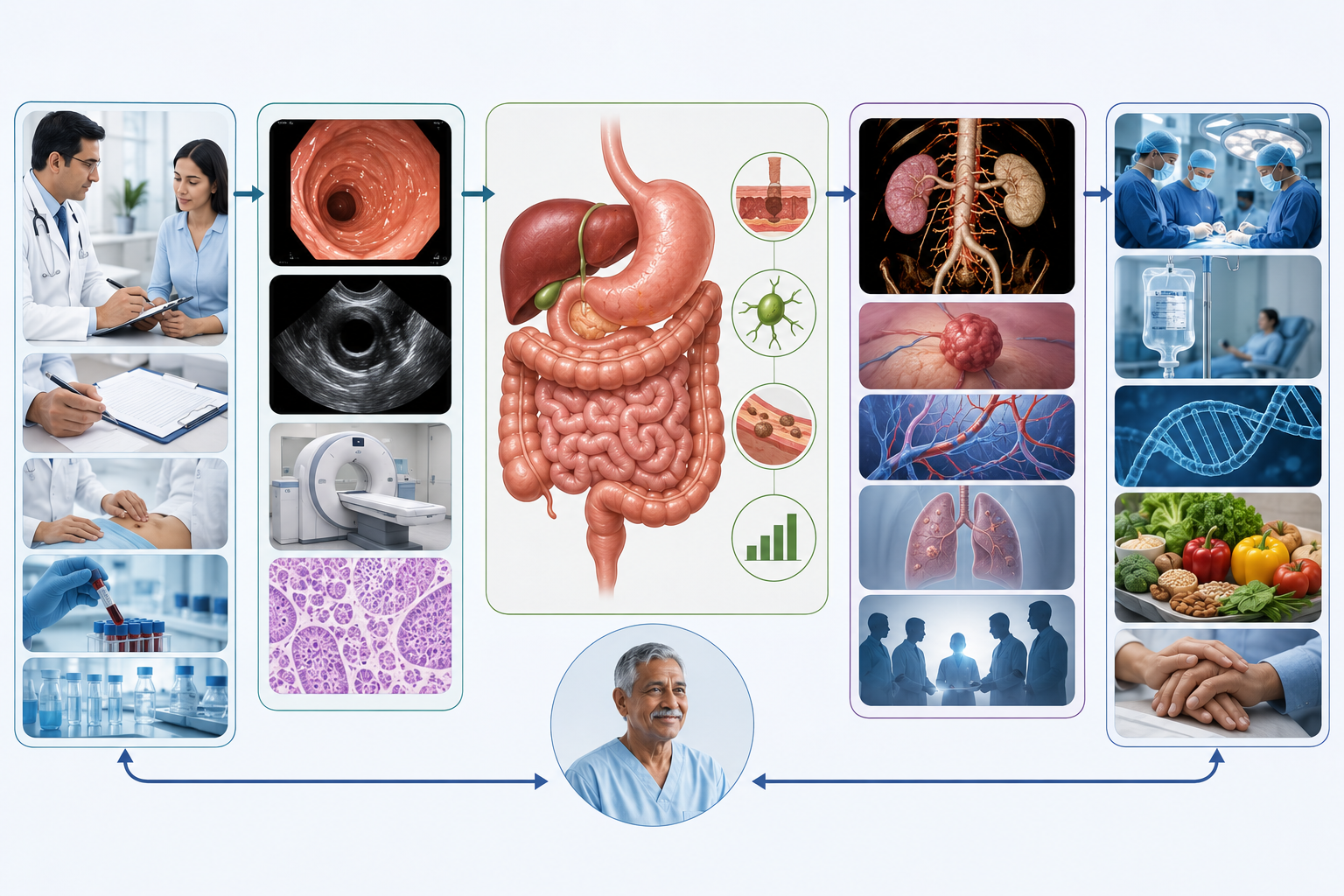
Every report & scan is independently audited before treatment plan formulation.
Surgical + Medical + Oncology Review
Detailed re-evaluation of CT, MRI, PET scans, endoscopy and biopsy reports to verify tumour characteristics and exact organ boundaries.
Assessment of tumour margins, vascular involvement and feasibility of open, laparoscopic or robotic surgical options.
Collaboration with oncology colleagues to determine whether surgery precedes or follows systemic therapy.
A clear, step-by-step recommendation explaining procedure details, recovery milestones and post-operative care.
Depending on the organ and cancer stage, procedures may include:
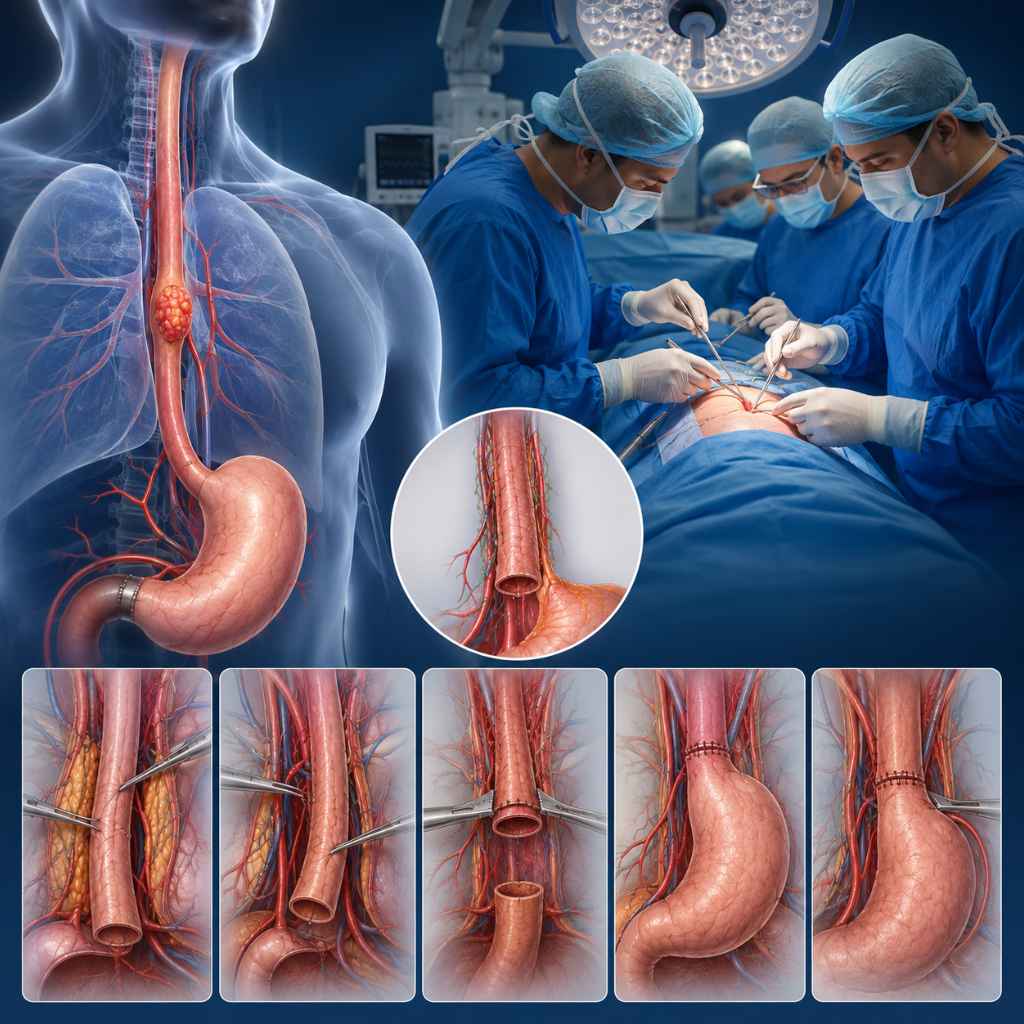
Surgical removal of part or all of the oesophagus for oesophageal cancer.
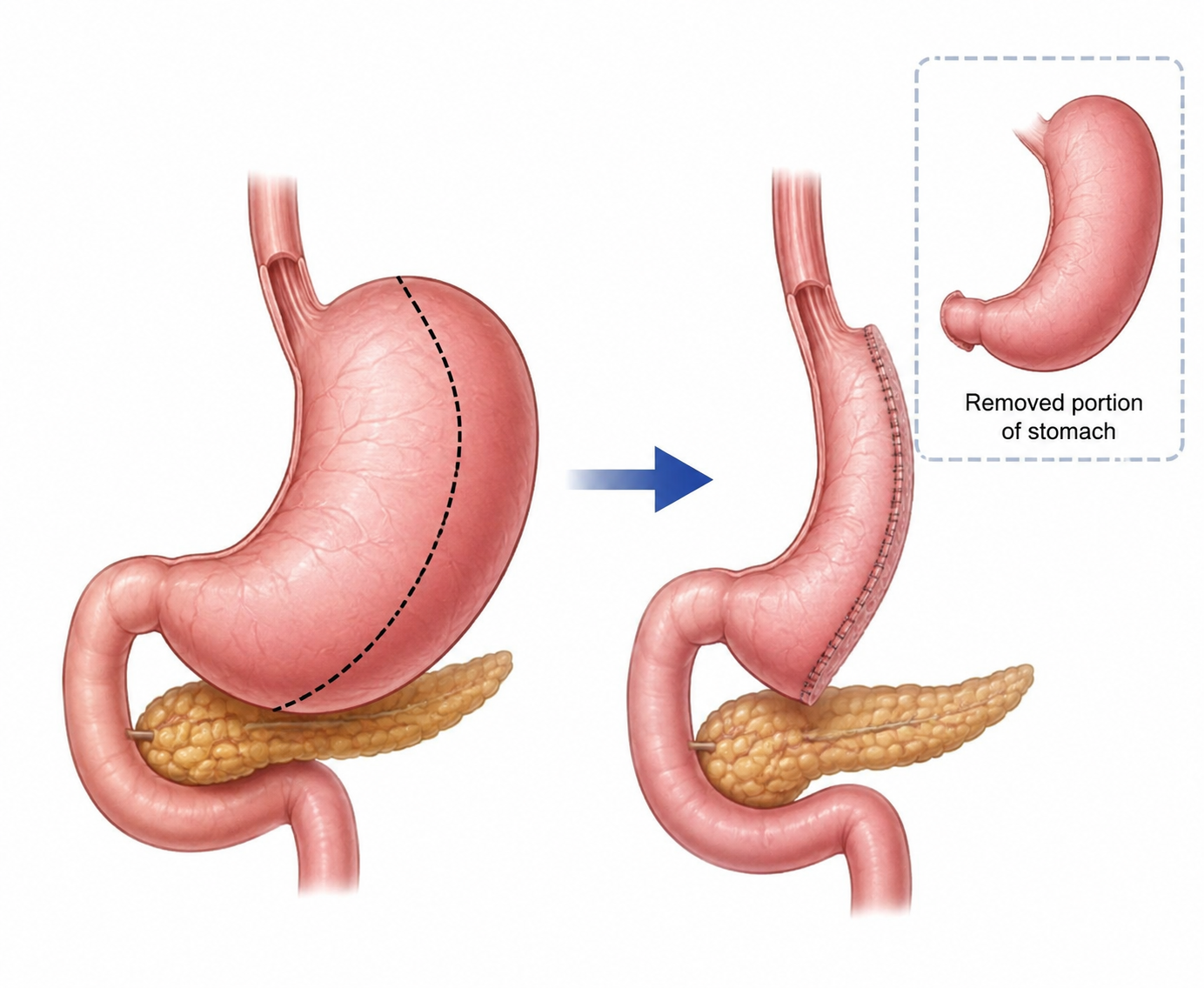
Partial or total removal of the stomach for gastric malignancies, with lymph node dissection.
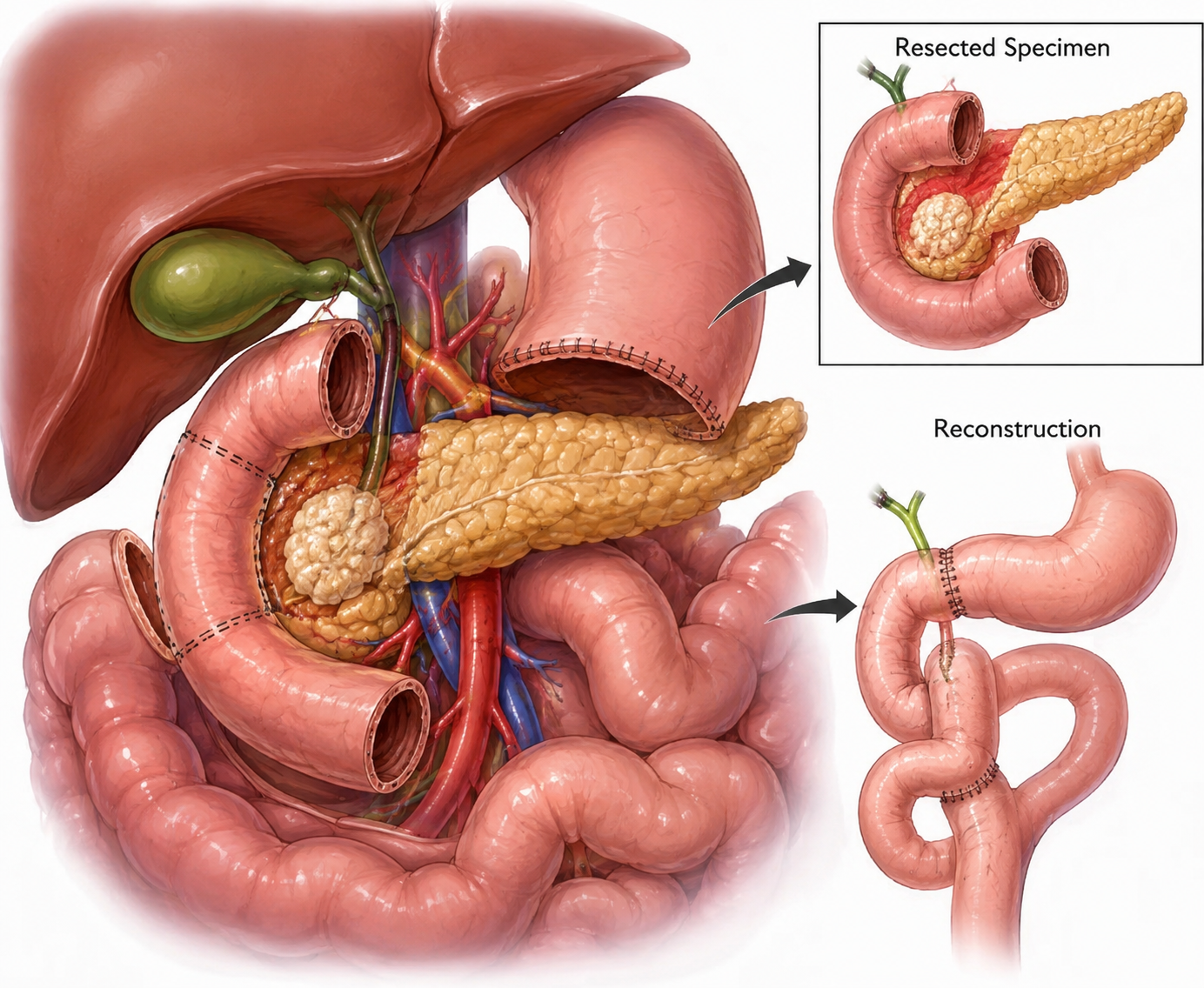
Whipple procedure or distal pancreatectomy for tumours of the pancreas and periampullary region.
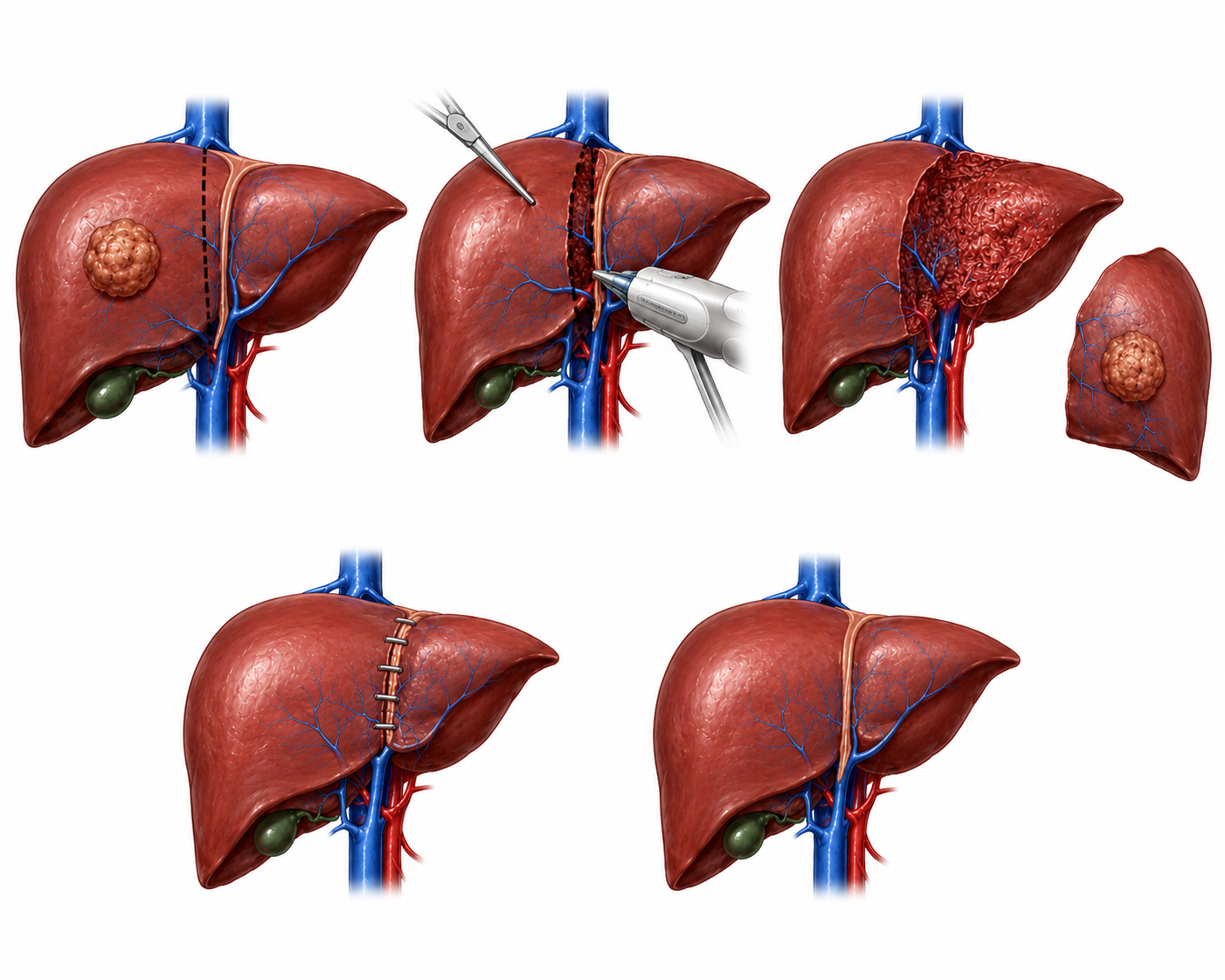
Surgical resection of liver tumours, primary liver cancers or colorectal liver metastases.
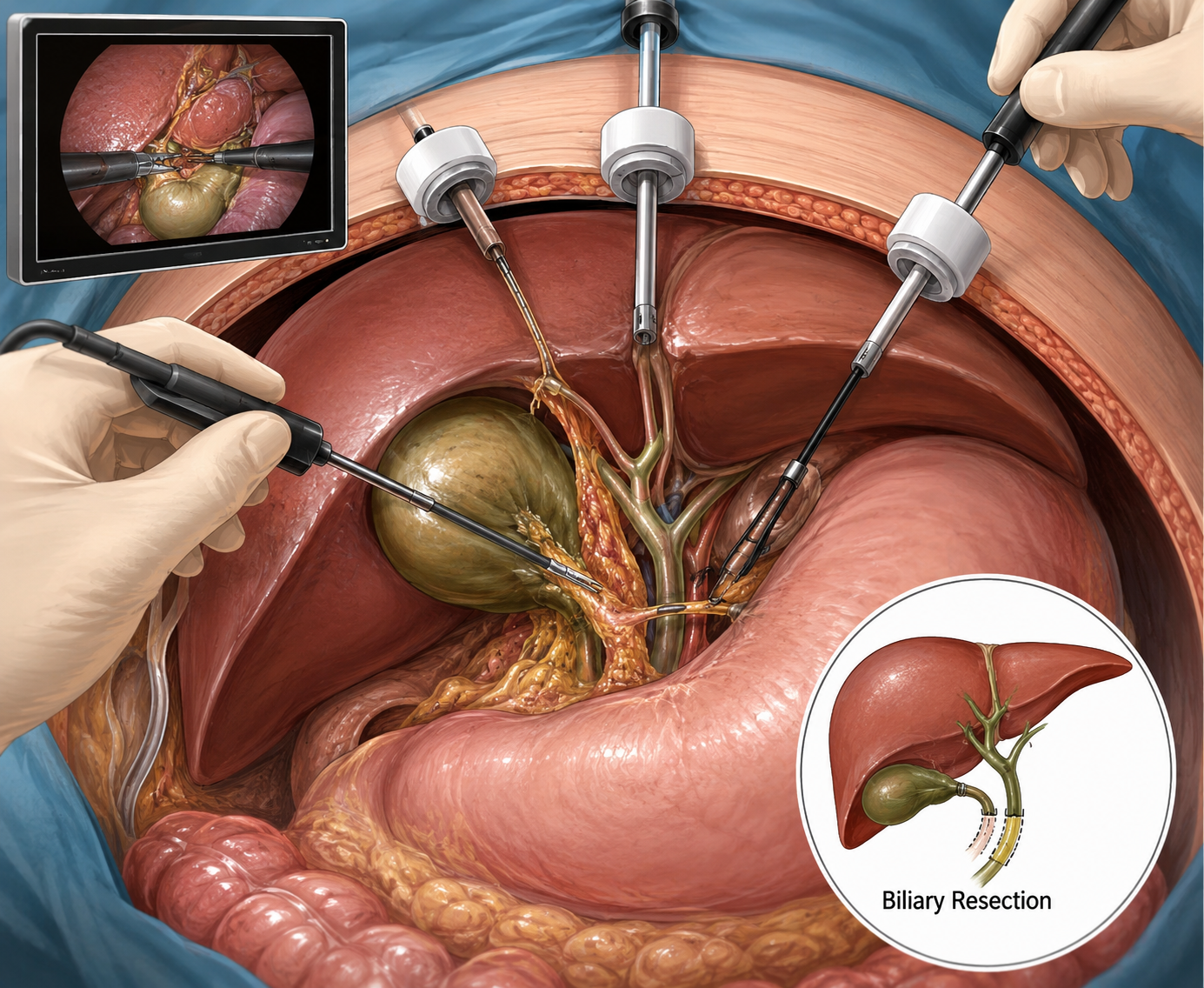
Radical cholecystectomy or bile duct resection for gallbladder and biliary tract tumours.
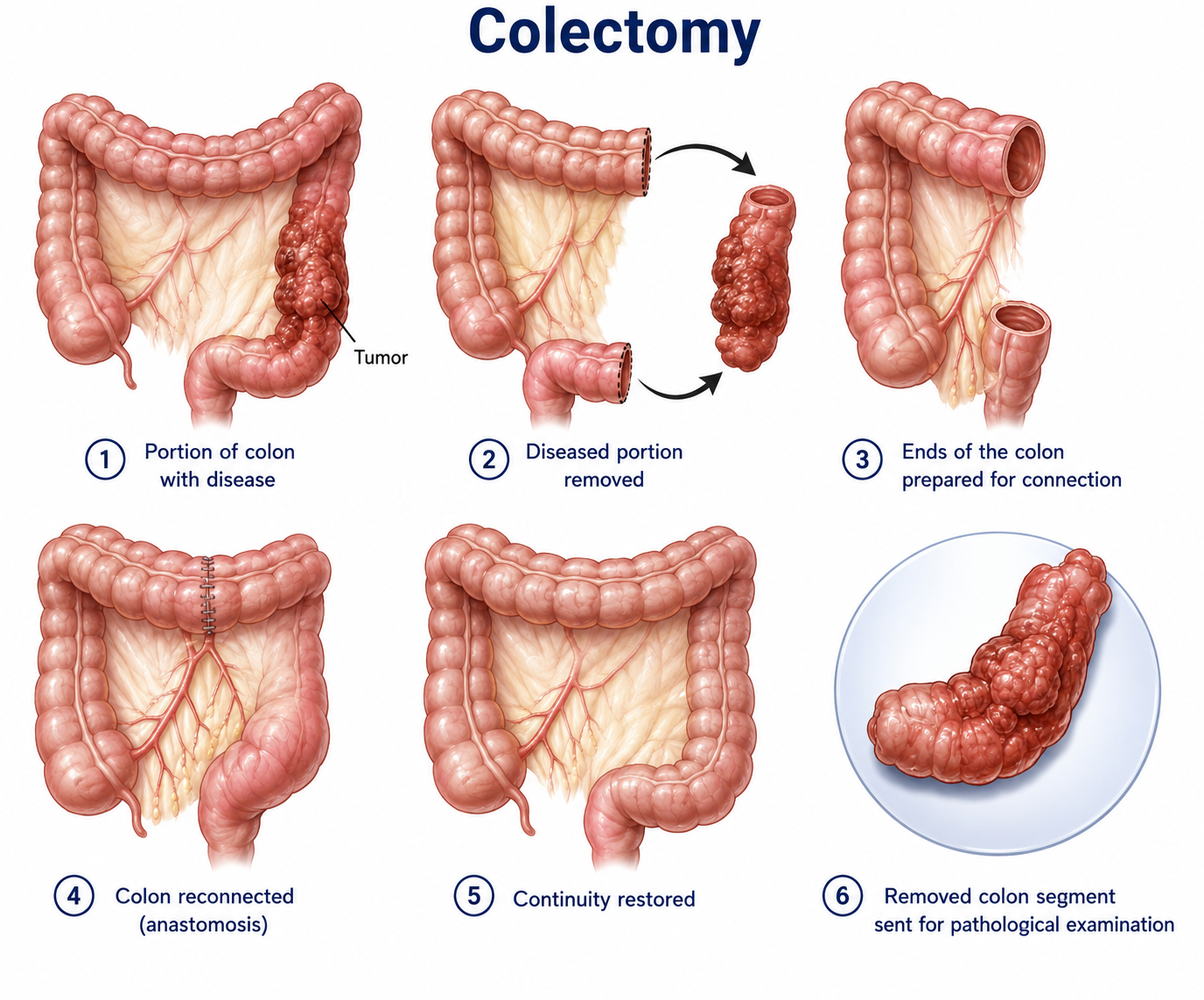
Segmental, hemicolectomy or total colectomy for colon cancers, often performed laparoscopically or robotically.
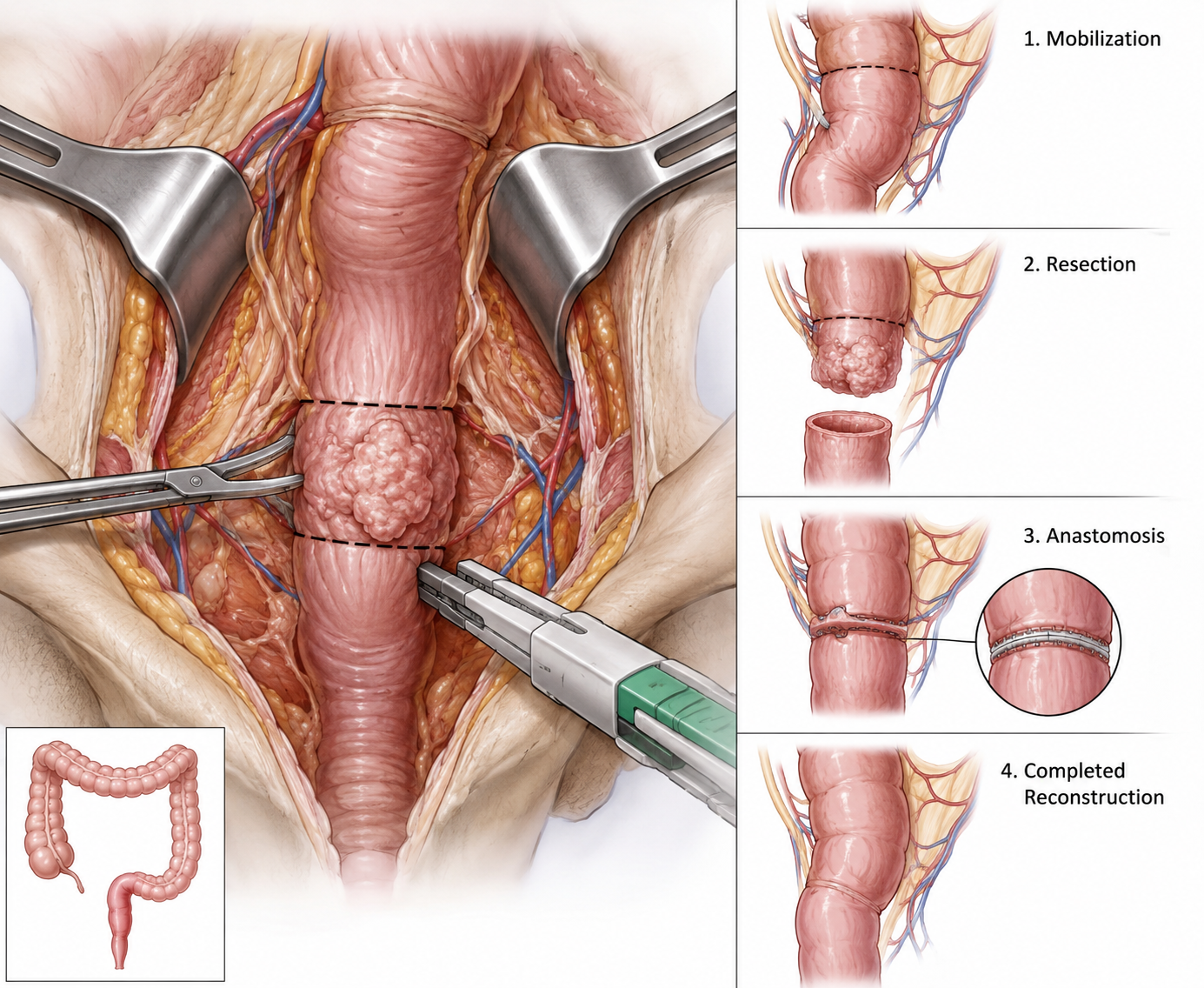
Low anterior resection or abdominoperineal resection (APR) for rectal cancers with sphincter-preservation priority.
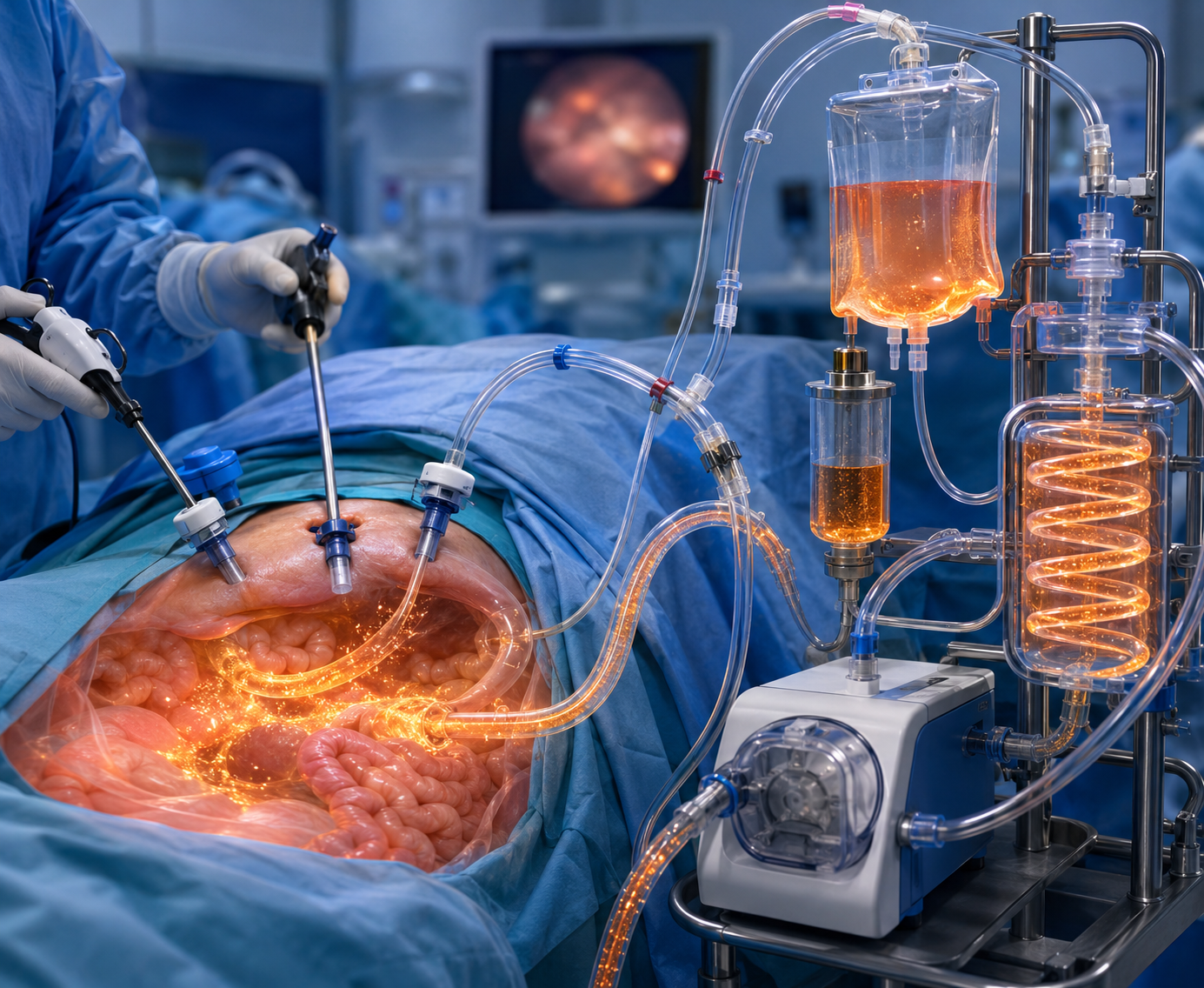
Cytoreductive surgery with Hyperthermic Intraperitoneal Chemotherapy for selected peritoneal surface malignancies.
Whenever clinically suitable, procedures are performed via advanced laparoscopic or robotic techniques for reduced postoperative discomfort and faster recovery. Complex open surgical options are selected when oncological radicality demands.
A tailored clinical pathway selected based on precise staging, tumour location, and resectability assessment.
When the tumour is localized, clearly resectable and early-stage, direct surgery offers the definitive first step, followed by post-operative monitoring or adjuvant therapy if indicated.
For locally advanced tumours (such as GEJ, stomach, rectum or pancreas), chemotherapy or radiation is administered first to shrink the tumour before planned resection.
When metastases (such as liver secondary deposits from colorectal cancer) are present, surgery may be staged alongside targeted chemotherapy or liver-directed procedures.

MS, DNB, MRCS, DNB (GI Surgery), FACS, FMAS
Director & Head – HPB, Minimal Access Surgery and Transplant
Dr. P. Senthilnathan brings over 25 years of extensive surgical experience specializing in surgical gastroenterology, GI oncology, HPB surgery, laparoscopic and robotic procedures. Having trained and operated across premier institutions, he offers focused evaluation and surgical care for complex gastrointestinal malignancies.
Please bring available:
Consult Dr. P. Senthilnathan for gastrointestinal cancer evaluation, surgical second opinions and treatment planning.
Treatment suitability, recovery and outcomes vary according to the diagnosis, tumor stage and individual health condition.
Patients often search for us with these terms. If any of these match your concern, you're in the right place.